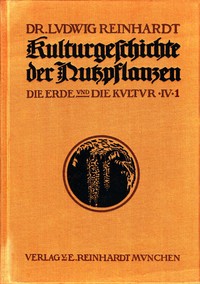
Kulturgeschichte der Nutzpflanzen, Band IV, 1. Hälfte by Ludwig Reinhardt
Let's be clear from the start: this isn't a novel. You won't find a plot with heroes and villains. Instead, think of it as an expedition. 'Kulturgeschichte der Nutzpflanzen, Band IV, 1. Hälfte' is a piece of a much larger puzzle—a detailed, scholarly look at the history of specific crop plants. Ludwig Reinhardt, writing over a century ago, acts as our guide. He picks a selection of plants and traces their stories from their wild origins to their central place in human agriculture and culture.
The Story
Reinhardt builds his chapters around individual plants or plant families. He starts by describing what the wild ancestor looked like and where it was found. Then, he follows the evidence: archaeological finds, mentions in ancient Greek and Roman texts, medieval herbals, and even old folk songs and proverbs. He shows how the plant was cultivated, how its uses evolved (food, medicine, dye, ritual), and how it spread across continents through trade, exploration, and sometimes, accident. The 'story' for each plant is its incredible transformation from a bit of local flora to a global commodity, intertwined with wars, economies, and daily life.
Why You Should Read It
This book changes how you see the world. After reading a section on, say, rye or flax, you'll look at a piece of bread or a linen shirt with new eyes. You'll understand the millennia of human effort and curiosity contained within them. Reinhardt's passion is obvious. He wasn't just listing facts; he was piecing together a biography for species we take for granted. The writing, while academic, has moments of genuine wonder. You can feel his excitement when he connects a modern farming technique to a description in Pliny the Elder's writings. It makes history feel tangible and rooted, quite literally, in the soil.
Final Verdict
This is a niche but rewarding read. It's perfect for history buffs, gardeners, foodies, and anyone with a deep curiosity about the 'why' behind everyday things. Be warned: it's a dense, old-school German academic text, so it requires patience. It's not a breezy afternoon read. But if you're the kind of person who loves connecting dots—seeing how a plant's journey mirrors the journey of human civilization itself—then diving into Reinhardt's work is a uniquely satisfying experience. You come away feeling like you've learned a secret language of the world, spoken in seeds and stems.
This title is part of the public domain archive. It is now common property for all to enjoy.